
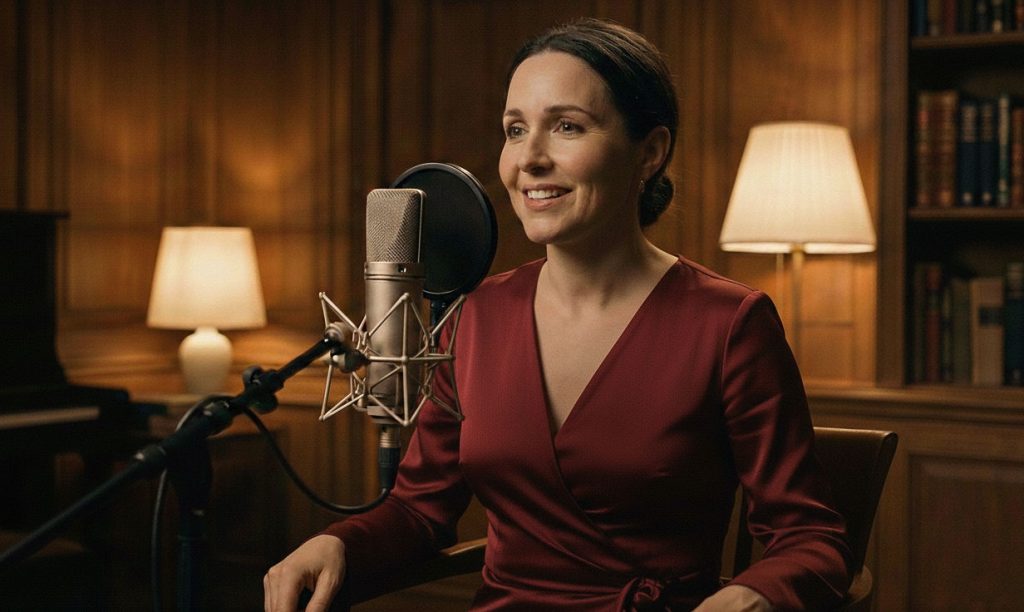
Have you ever been listening to an interview and finally had to click off, not because the topic was boring, but because the guest had a habit you couldn’t stop noticing?
Maybe they talked so fast you felt yourself getting tense. Maybe every sentence ended like a question. Maybe they kept apologizing for taking up space. Maybe they laughed nervously after perfectly normal statements, as if they needed permission to be there.
And you tried to stay with it, because the person was clearly smart. You could tell they knew their material. You could hear the expertise underneath.
But the delivery kept getting in the way.
That’s the thing about audio and video. People don’t just listen to what you say. They listen to how you are while you say it.
A quick recap of this little series that apparently decided to become a series called Hidden Reasons Smart People Sound Weak On Air:
Week one: Hope isn’t a strategy.
Week two: The three words to never say during an interview.
And this week features another hidden reason even when the author and expert is anything but.
They sound unsure physically, even when they are sure mentally. You see, you can be crystal clear inside your head, and still communicate uncertainty if the tone of your voice or your body is broadcasting a different message. Here’s what it often looks like:
You trail off at the end of sentences, as if you’re handing your point back to the host before it lands.
You apologize, not because you did anything wrong, but because you’re trying to soften your own authority.
You laugh nervously after a strong statement, almost like you’re taking it back in the same breath.
You speak too quickly, as if you need to rush through the point before someone questions it. This applies to most authors. Slow down.
You might also hear it in upspeak, where statements that could sound confident actually lift at the end of each sentence and, instead, sound like questions.
And one I hear a lot, especially with accomplished people who care deeply about getting it right. They speak from their throat instead of from the diaphragm. It sounds tighter and less grounded, not because you are small, but because your breath is.
None of this means you are weak.
But it can read that way to listeners or viewers, and audiences make decisions fast. They decide whether to trust you, follow you, remember you, and yes, buy your book, based on what they feel while you’re speaking. Or, hey may click away from you.
Here’s what I want you to take with you into your next interview. You don’t have to become someone else. You don’t have to perform, or fake it. Nothing like that.
You simply have to let your certainty arrive all the way to the surface. Not just in your ideas, but in your pacing, your breath, your endings, your presence. People can tell when you’re present. They may not be able to say what it is, but they know, and it’s easier to spot than you may think.
Remember, the goal isn’t to sound perfect. No one can do that, but we can all sound more human.
The goal is to sound like you mean it.
Media Darling Moment: If your message is strong, let your body deliver it like it’s true. Finish the sentence. Take the breath. Let the point land fully.
If you’re curious whether you have any of these habits, you’re not alone. It’s hard to hear ourselves accurately, especially when we’re focused on getting the content right. A second set of ears can make all the difference.
That’s what I’m here for.
P.S. Put your body into it and Say What You Need to Say
#SavvySunday
#MediaDarling
#HiddenReasons
#BookMarketing
#BookPublicity
If you’d like to receive juicy publicity secrets directly on a regular basis, join the Savvy Sunday Community at the bottom of this page.