
I recently spoke with an author who had finally finished her book. And I mean finally.
After years of thinking about it, two years of writing it, rounds of editing, cover design, and formatting, she finally reached the end of the whole glorious, exhausting, emotional journey of bringing a book into the world.
She was proud and rightly so. It is a very big deal.
Then she said, “Okay, now I’m ready to start publicizing and marketing it.”
And there it was.
The sentence that makes every publicist take a slow, steady breath, because by the time the book was finished, she was just beginning to ask the questions that could have shaped the entire process. They should have been considered when the idea of the book came into existence. Questions like the following:
- Who is this book really for?
- Where do those people gather?
- What do they read, listen to, watch, and trust?
- What problem are they trying to solve?
- What conversation are they already having that this book belongs in?
She had written the book first and thought about the audience later. It’s understandable, and it is also incredibly common. I used to speak on this very message at conferences, especially to writers who were just beginning to write their books, because this is exactly the kind of thing authors need to hear before they are standing at the finish line wondering what comes next.
That is one of the great gifts of being in a room, virtual or otherwise, with other writers, teachers, editors, publicists, publishers, and people who have walked this path. You learn things along the way that can shape the book while it is still becoming.
Here’s the problem when that isn’t done. It puts the author in the difficult position of trying to build a bridge to readers after the book has already been built, instead of designing the bridge for them while the book is coming to life.
And that is the heart of today’s post. Book publicity does not begin when the book is finished. It begins when the book is being imagined.
It begins quietly in the back of your mind while you are writing.
It begins with awareness and then questions like the following.
- Who is the specific reader I most want to reach?
- What problem, desire, question, or transformation brings them to this book?
- Where do they already spend time online and offline?
- What podcasts, newsletters, magazines, blogs, shows, or communities do they trust?
- What timely conversations connect naturally to my book’s message?
- What stories from my book could become articles, interviews, talks, or social posts?
That kind of thinking does not take away from the creative process. It strengthens it.
When you know who you are writing to, your book becomes clearer. Your message becomes sharper. Your stories become more relevant. Your title, subtitle, chapter names, examples, and future media angles all begin to align.
You are no longer writing into the void. You’re no longer writing to yourself. You are writing towards someone, and this can make all the difference.
For one thing, you’re not scrambling after the fact to figure out where your book fits. You might see an article and think, “My future reader would care about this.”
Or perhaps you hear a podcast and think, “This host talks to exactly the kind of person I’m writing for.”
You might notice a trend, a problem, a debate, or a question that keeps coming up in your field or in the culture in general.
You might begin collecting ideas for media angles long before you ever send a pitch.
That is called positioning, and that is publicity intelligence. It begins early, long before publication day and long before you build a launch team.
Media Darling Moment: Before your book is finished, start listening for your audience.
You do not need to have all the answers immediately. In fact, it rarely happens that way. It’s an evolution as most things are, but you do want to start noticing.
Bottom line: Writing a book is not only about getting your ideas onto the page. It is also about learning how your ideas will travel.
And the earlier you begin thinking about your reader, your message, and the conversations your book belongs in, the less mysterious publicity becomes later. The real goal is connection, and connection is where the real publicity begins.
To your success!
Joanne
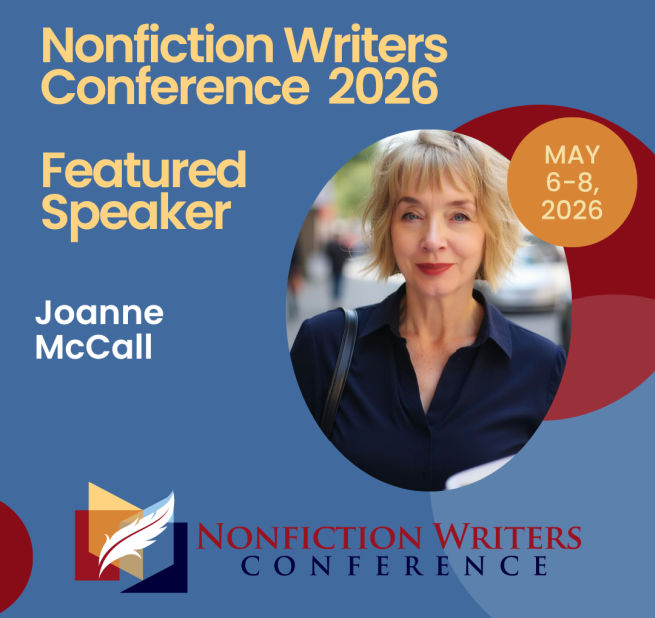
P.S. This is why having a village matters. I’ll be speaking at the upcoming Nonfiction Writers Conference, where authors can gather the kind of insight that helps them make smarter decisions long before launch day. If you’re writing, planning, or dreaming about a nonfiction book, join us here.
#NonfictionWritersConference
#MediaDarling
#BookMarketing
#BookPublicity
If you’d like to receive juicy publicity secrets directly on a regular basis, join the Savvy Sunday Community at the bottom of this page.